

 Call Us: 08045478600
 Send Inquiry
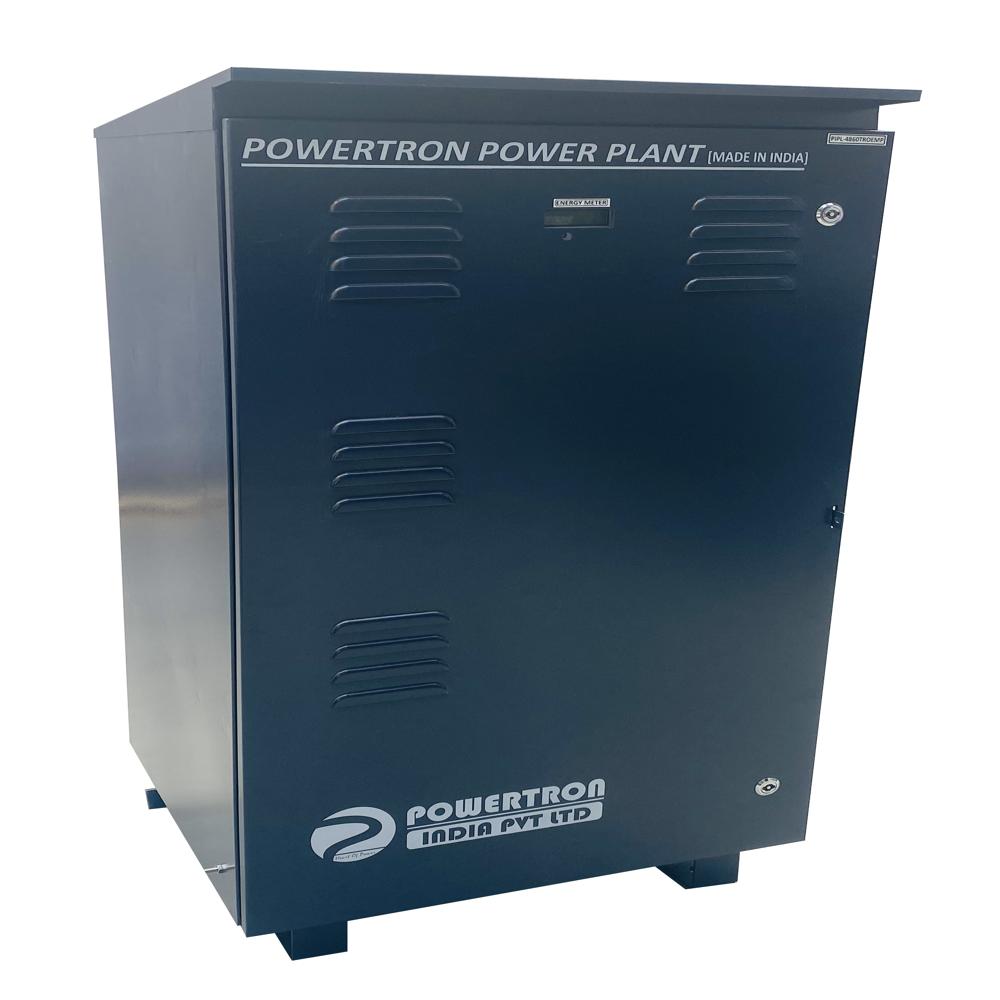
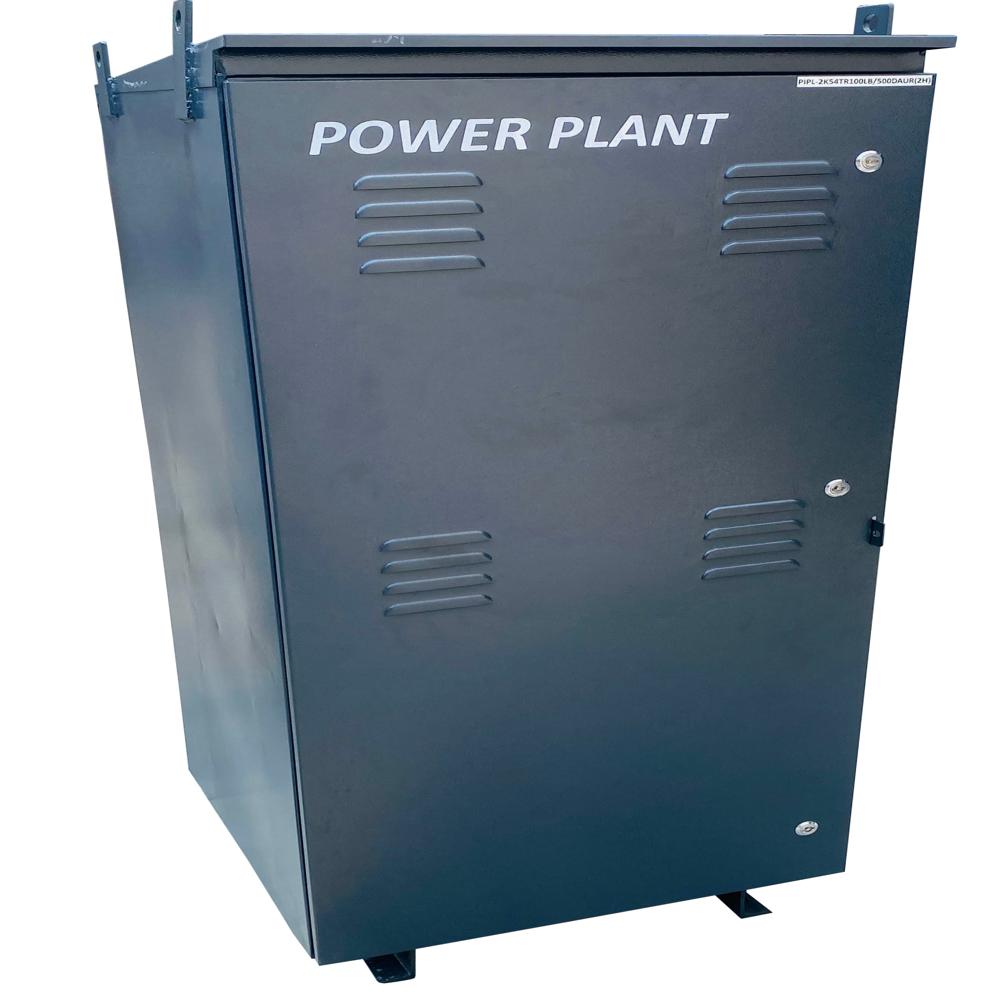
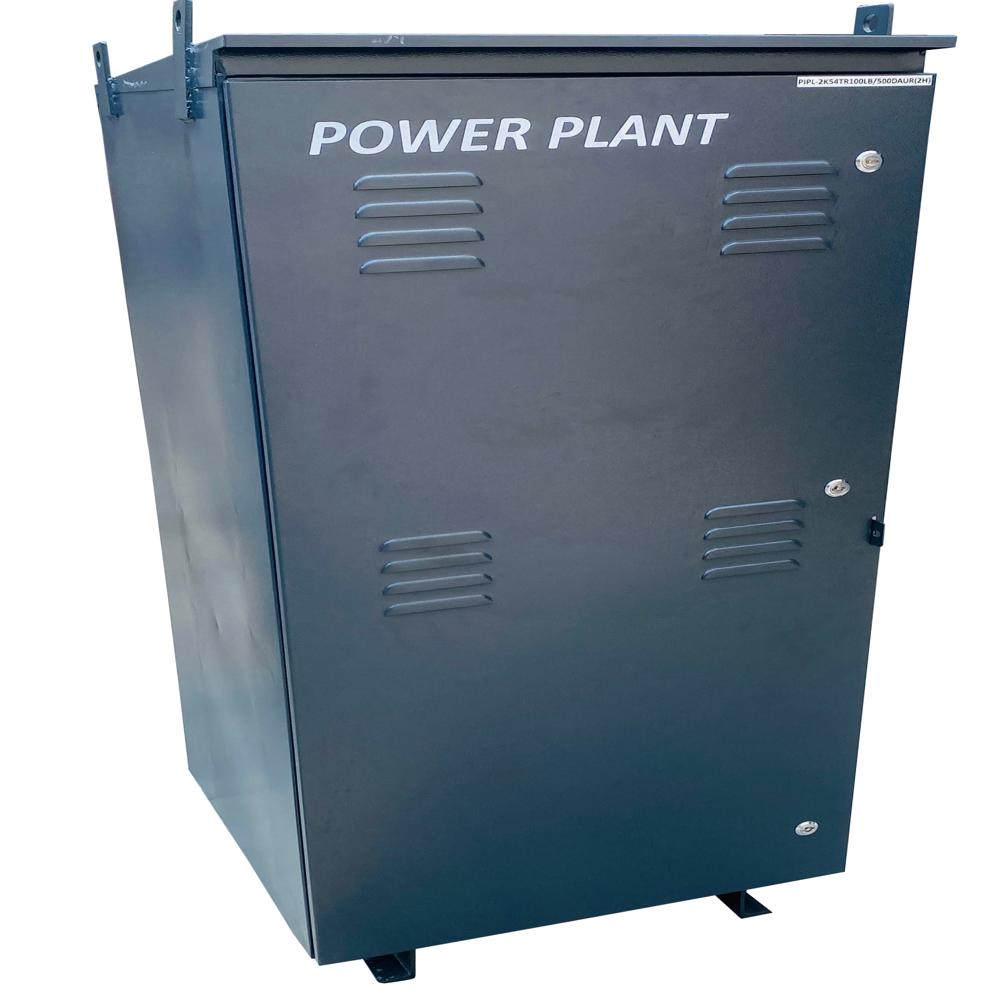
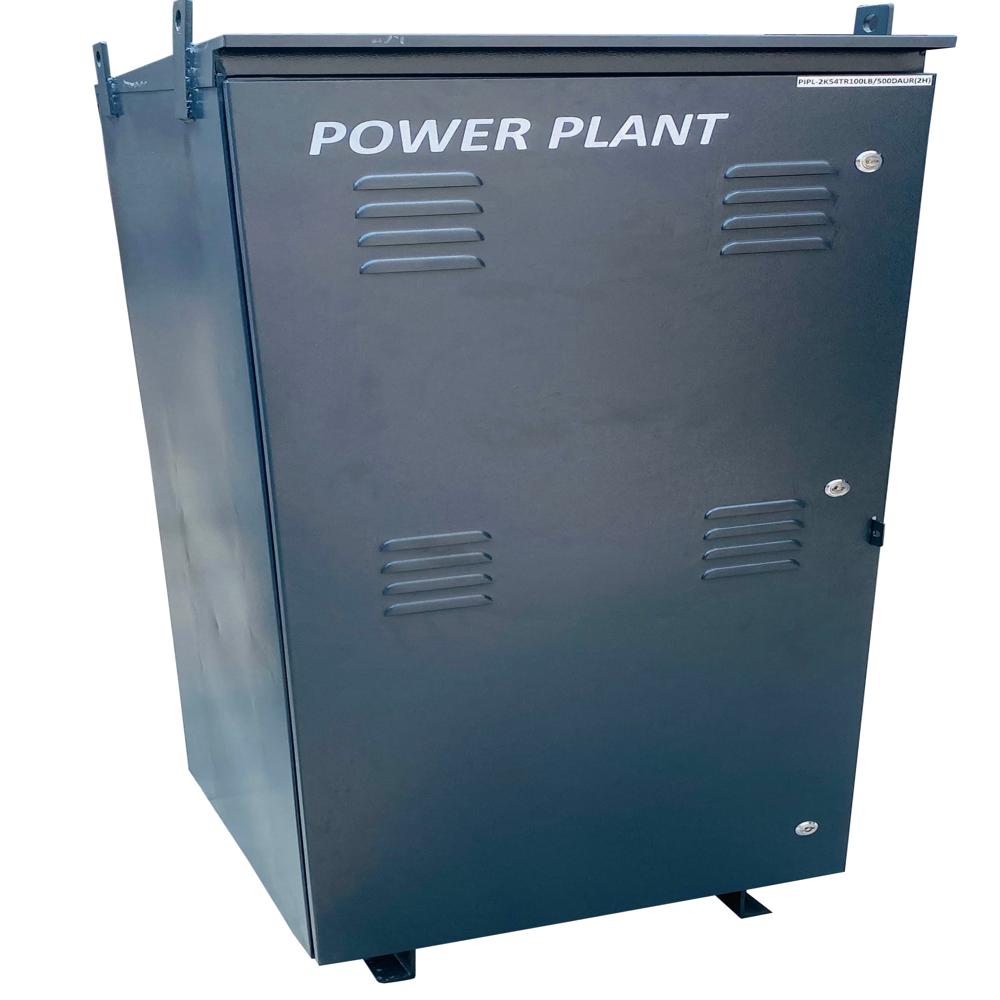
24V DC Telecom Rectifier
92600.00 INR/Unit
Product Details:
X
24V DC Telecom Rectifier Price And Quantity
- 1 Unit
- 92600.00 INR/Unit
24V DC Telecom Rectifier Trade Information
- 25 Days
Product Description
- PIPL-4860TROEM Series is ideal for Small Cell High Power Mobile Tower applications with high reliability power system. It is modular, expandable and can be easily installed, also with high cost effective & high efficiency.
- Unit is design to maintain all aspects of the power performance, less power consumption with easy maintenance on site. Total inbuilt space area is 12U including battery Space for VRLA.
Key Features:
- Compact Design
- Easy Maintenance
- High Reliability
- Quiet Operation
- 24 / 7 Monitoring and Control
Applications:
- Optical Line Terminal
- 4G/5G Small Cell High Power Mobile Tower
- Fixed Line
- Datacom
Input:
- Voltage (nominal): 200 / 220 / 240V AC
- Voltage (range): 170-300VAC; De-rating <= 184VAC (Line - Neutral)
- Frequency: 45 - 66Hz
Output:
- Voltage (adjustable range): -42 to -58VDC
- Maximum Power @ nominal Input: 3000W
Environmental:
- Operating Temperature: -20 to +55 Degree C
- Storage Temperature: -40 to +70 Degree C
High Reliability for Telecom Power
Our 24V DC Telecom Rectifier is built to support continuous, critical operations. With advanced protection features and compliance with IEC/IS and CE standards (on request), it ensures the stable delivery of power essential for telecom base stations, data centers, and industrial control systems. The robust design and selectable enclosure protection (IP21, IP42, IP55) make it suitable for diverse installation environments.
Flexible and Efficient Performance
Available in both modular and standalone formats, this rectifier can be tailored for new projects or upgrades. Automatic regulation technology guarantees consistent voltage and current, maximizing device safety and extending lifespan. Forced air cooling maintains optimal temperature, supporting operational efficiency even under heavy loads.
FAQ's of 24V DC Telecom Rectifier:
Q: How can I select the appropriate rated output current for my application?
A: The rated output current (choices such as 10A, 20A, 50A, 100A, etc.) should be chosen based on the total load requirement of your telecom or industrial equipment. Evaluate the current needed by all connected devices to determine the ideal rectifier capacity, ensuring reliable and safe power delivery.Q: What benefits does the modular system type provide over a standalone rectifier?
A: A modular rectifier allows for easy scalability and maintenance. Units can be added or replaced with minimal downtime, which is ideal for rapidly expanding networks. Standalone systems are best for smaller or fixed-load applications. Both options share the same protection and monitoring features.Q: When should I consider using higher IP-rated enclosure protection?
A: Select an IP42 or IP55 enclosure when installing the rectifier in environments exposed to dust, moisture, or other challenging conditions. These higher IP ratings provide enhanced protection, ensuring the system remains operational and safe in less controlled environments, such as outdoor telecom cabinets.Q: Where can the rectifier be installed, and what is the recommended mounting method?
A: The rectifier is designed for flexible installation in various locations including telecom rooms, industrial plants, and control centers. It is housed in a floor-standing cabinet, allowing stable deployment on flat surfaces, with enclosure protection tailored to your environmental needs.Q: What process does the system use to regulate voltage and current automatically?
A: The rectifier employs advanced electronic regulation circuits that continuously monitor output conditions. If voltage or current deviates from the set point, the system auto-adjusts to maintain within 1% accuracy, providing steady power for sensitive telecom equipment.Q: How can users monitor and manage the rectifier's operational status?
A: Users can easily monitor system status through onboard LED indicators and a digital meter displaying outputs and alerts. For advanced management and remote monitoring, optional RS232, RS485, or Ethernet interfaces allow integration with networked supervisory systems.Q: What key protections are integrated and what are their benefits?
A: The rectifier includes protections against over voltage, overcurrent, short circuit, over temperature, and reverse polarity. These features prevent equipment damage, enhance safety, and reduce downtime by automatically safeguarding both the rectifier and connected loads.Tell us about your requirement

Price:
Quantity
Select Unit
- 50
- 100
- 200
- 250
- 500
- 1000+
Additional detail
Mobile number
Email

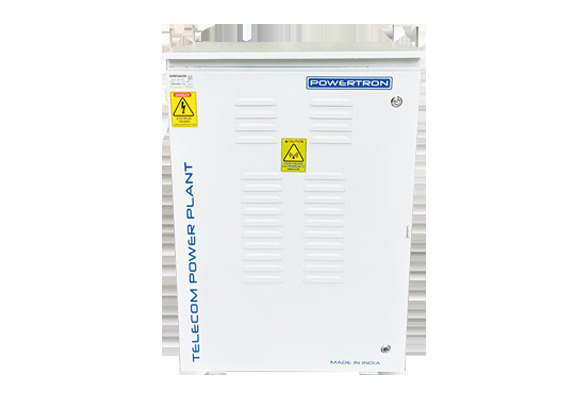
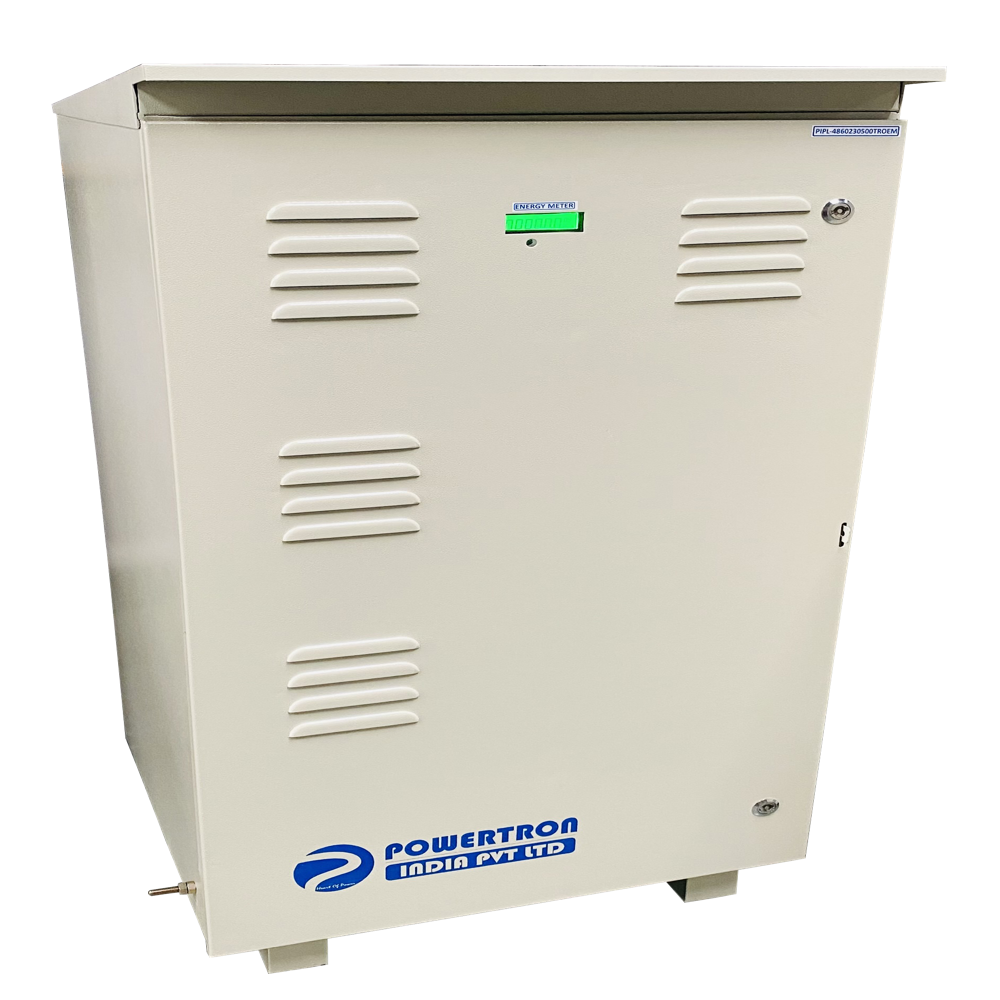
Other Products in 'DC Telecom System' category

Contact Us

- A-426, Road No - 28, Wagle Estate MIDC,Thane - 400604, Maharashtra, India
- Phone : 08045478600
POWERTRON INDIA PRIVATE LIMITED
GST : 27AAJCP6941K1ZV

- Mr Vivek P Panchal (Director)
- Mobile : 08045478600
- info@powertrondcps.com
- sales.powertronindia@gmail.com
Delhi : 004, S4, Saraswati Complex, D6, Vasant Kunj, Delhi - 110070
International (Dubai) - Street 4 , Discovery Garden, Jabel Ali, Dubai UAE - 17777

Products
- DC Power Supply
- Battery Charger
- Electric Vehicle Battery Charger
- Powertron
- Switch Mode Power Supply
- DC To DC Converter
- DC To AC Converter
- Programmable DC Power Supply
- Electroplating Rectifier
- Multi Output Power Supply
- Telecom Power System
- Power Adapters
- AC Power Supply
- Linear DC Power Supply
- FCBC Battery Charger
- High Voltage Power Supply
- AC & DC Load Bank
- AC to DC Converter SMPS
- DC Power Pack
- DC Telecom System
- Plating Rectifier
- Lithium Battery
- Isolation Transformer
- Stabilizer
 Send Inquiry
 Send SMS
 Call Me Free
|


POWERTRON INDIA PRIVATE LIMITED
All Rights Reserved.(Terms of Use)
Developed and Managed by Infocom Network Private Limited.
Developed and Managed by Infocom Network Private Limited.